
I’ll never forget those moments early in my career. Standing in a room full of decision makers.
I had an opinion, but it was just a gut feeling. I couldn’t put words to why I felt that way — I just did. So, I stayed silent.
Turns out, my gut was right. That same scenario has played out over and over.
Why do we dismiss gut feelings when, more often than not, they’re spot on?
It’s partly because emotions are not a common currency in the workplace.
If we say, “I don’t know. I just have a feeling,” we might get laughed out of the room, especially as women.
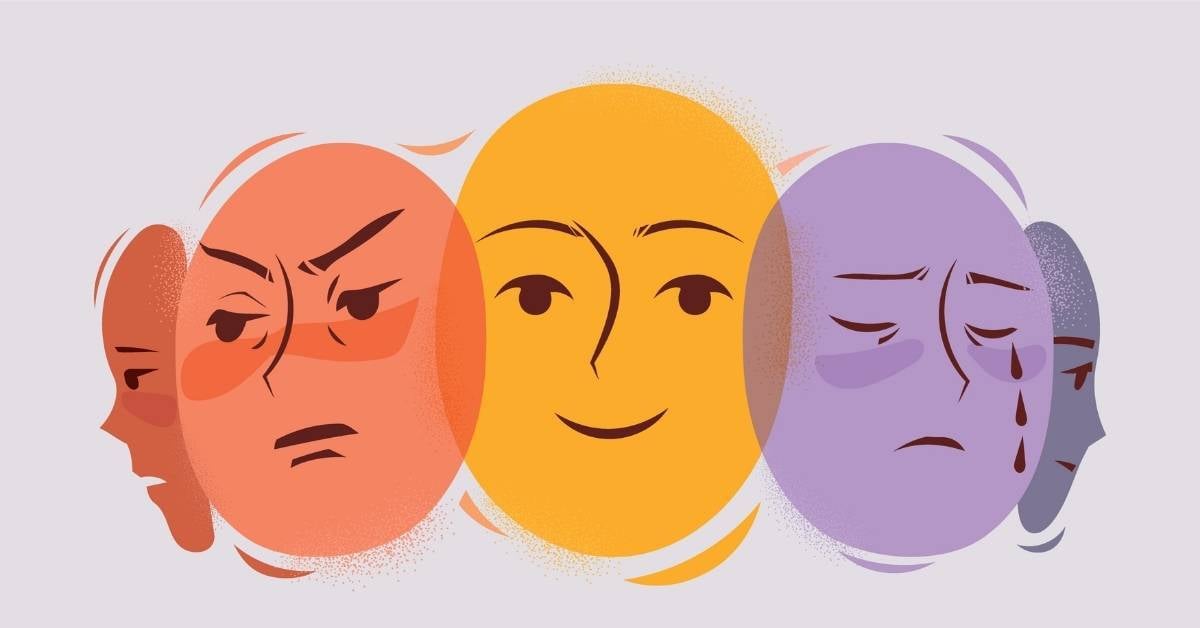
Here’s my soapbox this week: Emotions are data points. What’s more, they are essential to making good decisions.
How to use emotions to make better decisions
So often, we generalize emotions into two basic categories: Good or bad. But when we stop there, we end up running from all bad emotions or get blinded by all good ones. In order to make emotions function for you, you have to go a layer deeper.Step one: Define the emotion.
You’re feeling that shoulder-tensing, stomach-turning feeling. Instead of dismissing it, ask yourself: Is it anxiety, anger, resentment, envy, insecurity?
It may sound like a simple task, but it can be tough. When you have so many other things going on in your head, it can be hard to parse out one specific feeling. My advice: Talk it out with a good listener. Verbal processing beats the mental merry-go-round every time.
Step two: Ask why?
Let’s say it’s anxiety. Now comes the important part. Why are you anxious? Where is it coming from? Is it tied to a decision you need to make?
Here’s an example. I once had to decide between two job offers. The idea of taking one made my stomach turn; the other one didn’t. So I was ready to accept the second offer.
But then I stopped to examine the emotion, and realized I was anxious to take the first offer because I cared way more about the work. I wanted to do well, and wasn’t sure I could.
Had I dismissed my feeling, I would have missed out on a great opportunity.
Step three: Take action.
Once you can define an emotion and its source, you get to the data point that will inform your decision.
In the example of an intimidating job offer, my emotion helped me decide that it was a risk worth taking. And it totally changed how I approached the work. It not only helped me say yes, but also put in the extra work to get prepared and keep a growth mindset as the role stretched my skills.
Listen to your gut
I’m not advocating for making purely emotion-driven decisions. (If you’ve ever gone grocery shopping hungry, you know. ) Not all emotions are relevant. But emotion is an important piece of the decision-making process.
Even if you can’t put words to it right away, listen to your gut. Because most of the time, it’s right.
